The History of Lord's Last Call Church
From humble beginnings in Kisumu to a growing family of faith rooted in the Gospel and Kenyan culture.
Read the StoryA church born of urgency and purpose.
Lord's Last Call Church arose in western Kenya, in the city of Kisumu, during a period when African Christianity was experiencing rapid growth and diversification. Its founders sought to create a fellowship that embodied the urgency of the gospel — the "last call" before Christ's return — and to root this mission in both biblical fidelity and local cultural expression.
The adoption of the name Luong Mogik Mar Nyasaye in the Luo language reflects this dual identity: a church both universal in its message and particular in its cultural home.
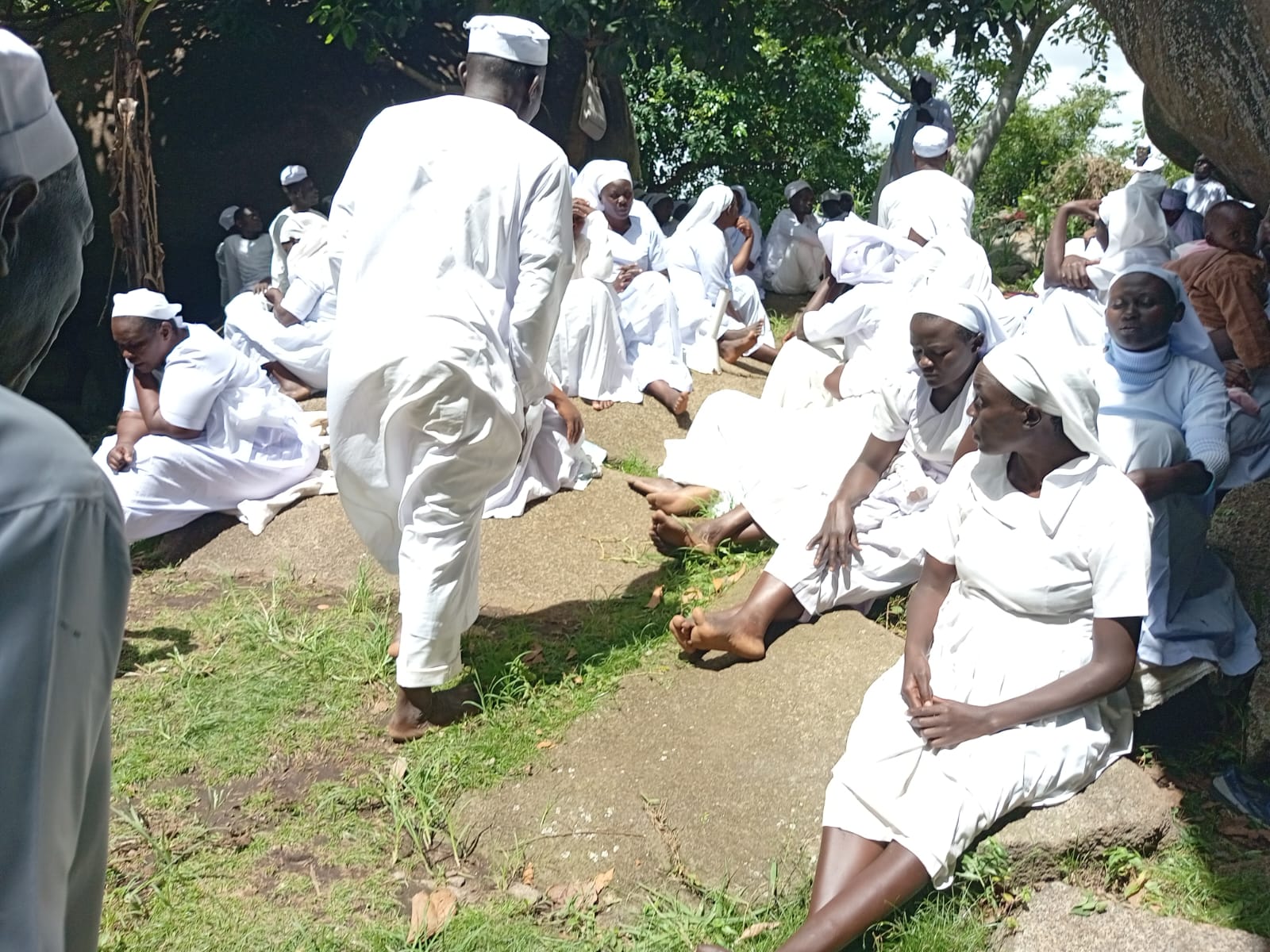
Early gatherings of the church family in Kisumu.
Doctrinal roots and reform.
From its inception, LLCC emphasized continuity with historic Christian doctrines. It affirmed the authority of Scripture, the Trinity, and the saving work of Jesus Christ. Yet it distinguished itself by stressing Sabbath observance, purification before prayer, fasting, and moral reform.
These emphases placed LLCC within the reformist tradition of African independent churches, which sought to revive early Christian practices and resist the encroachment of worldly customs.
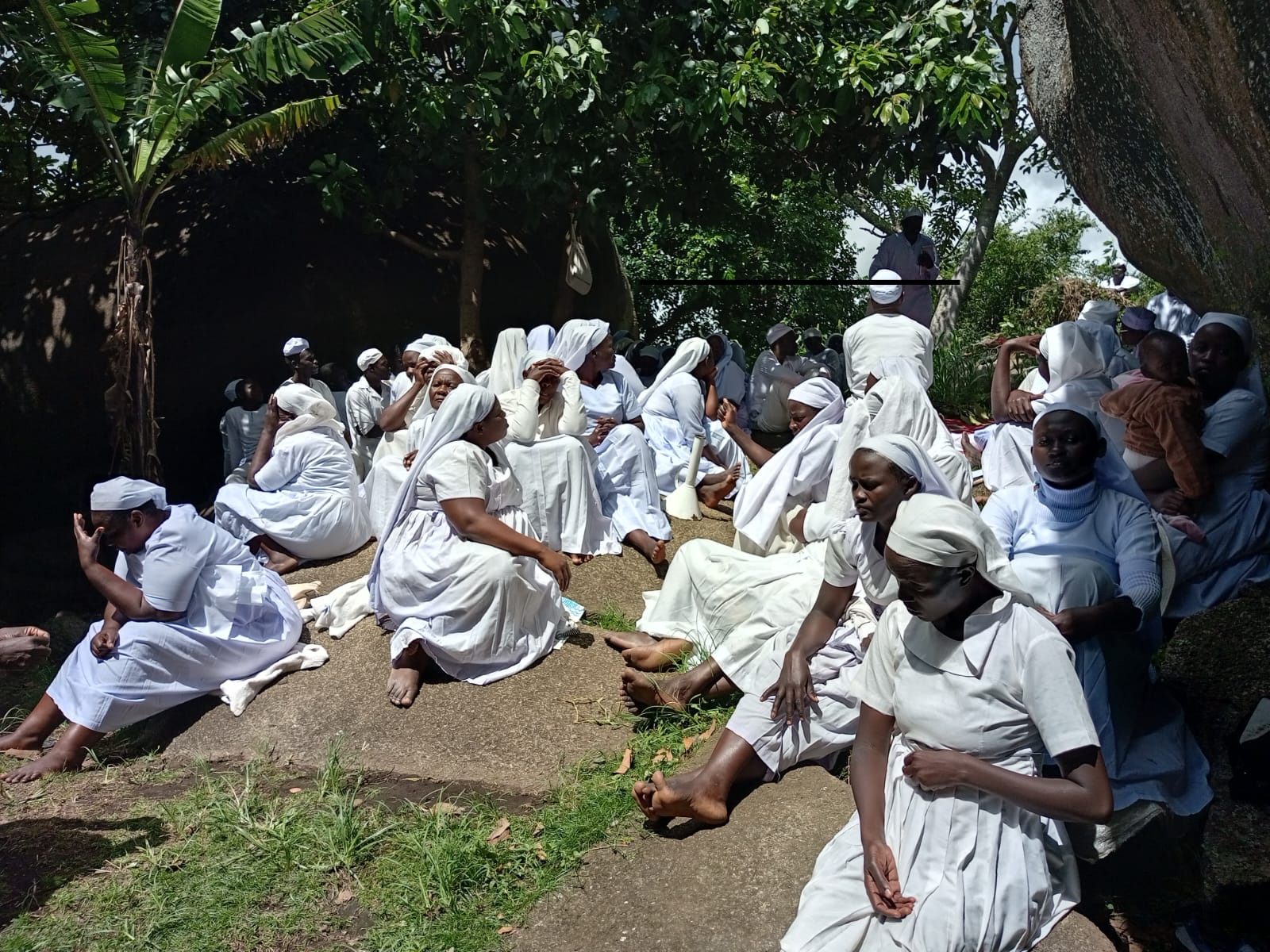
Members studying Scripture together in small groups.
Worship, purity, and shared practice.
The church's worship life became its most visible marker. Members were expected to purify themselves before prayer, fast during times of spiritual need, and participate in healing services accompanied by song and prayer.
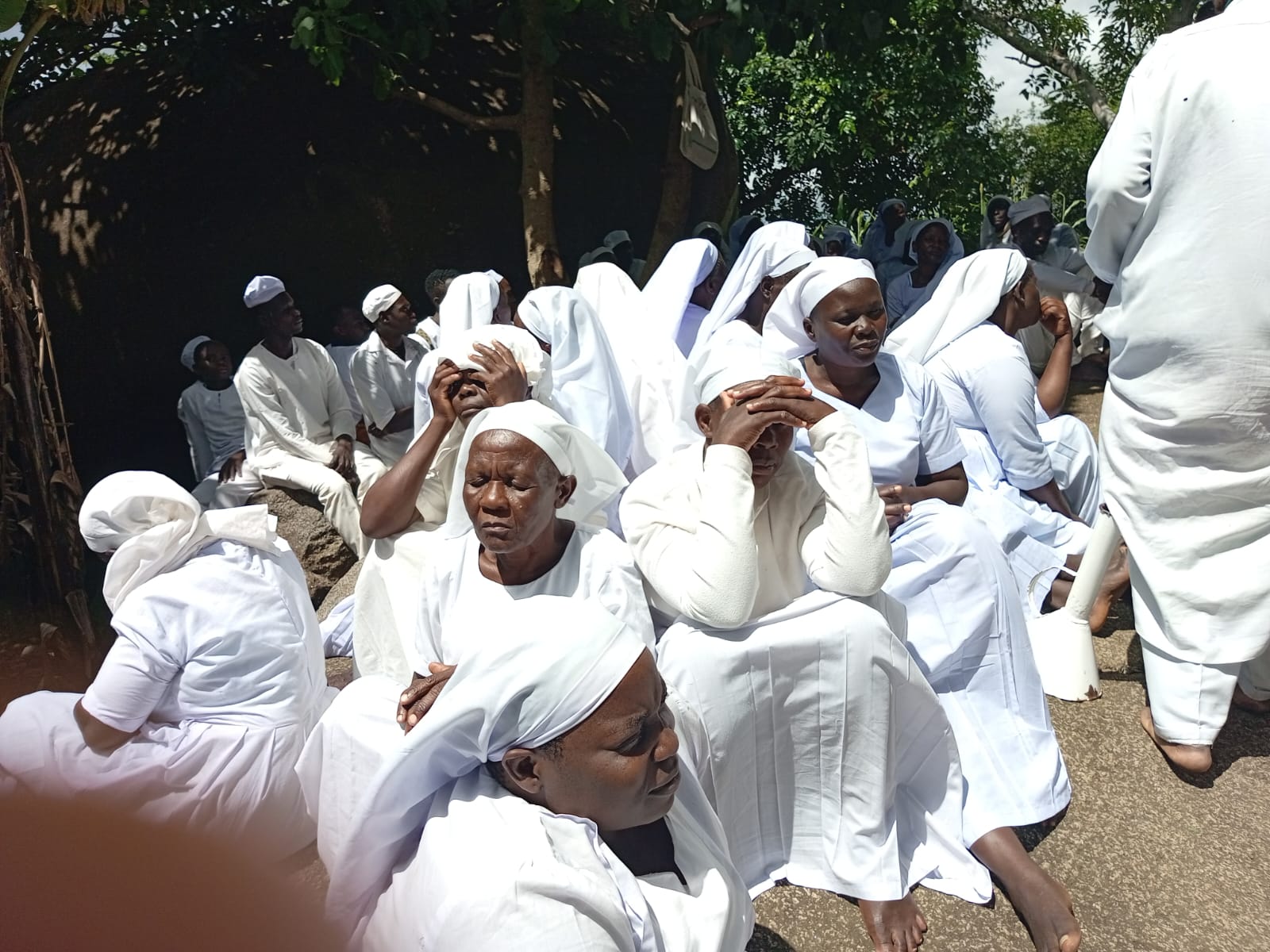
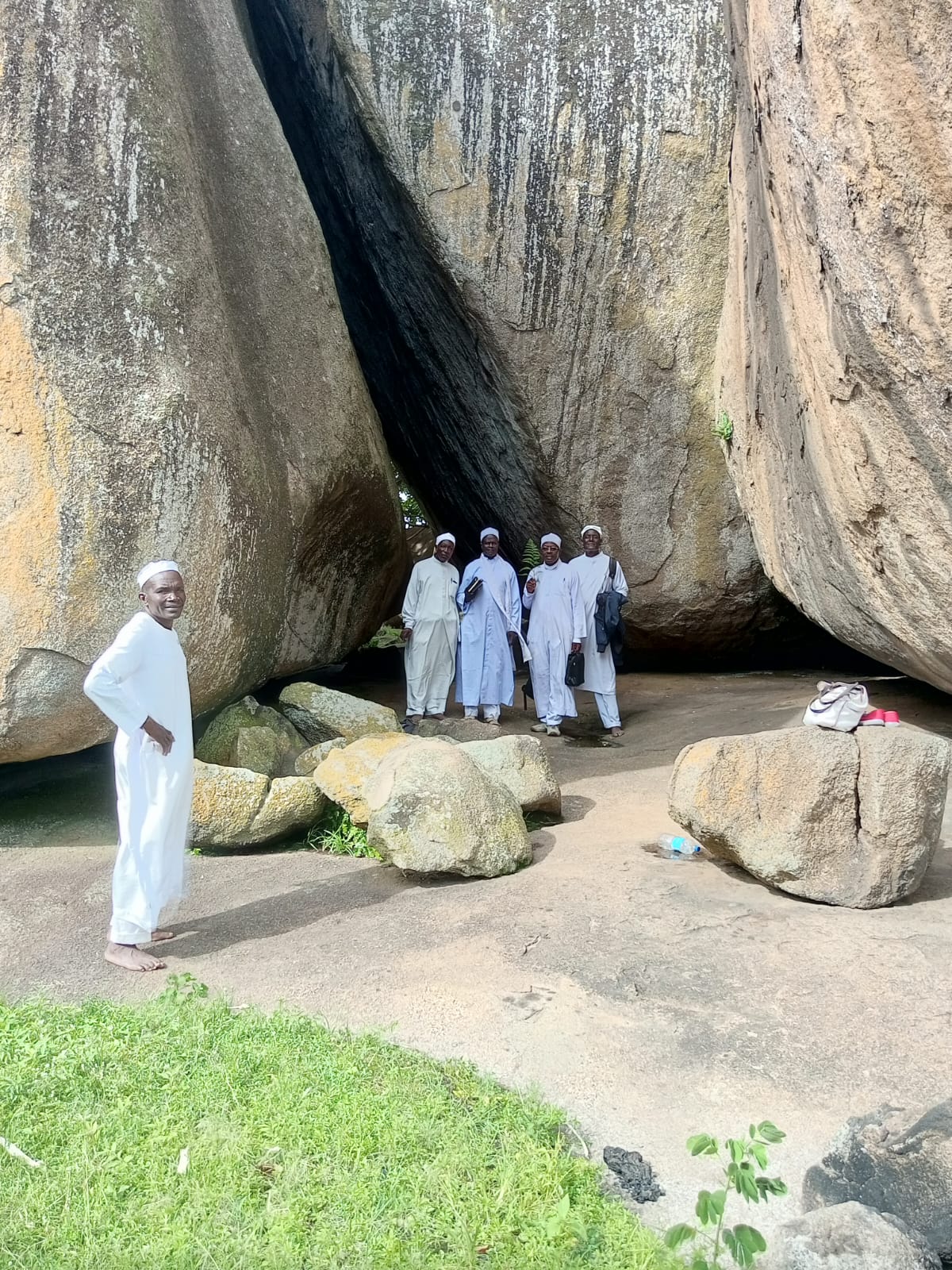
Reverence in dress and conduct was central, with white garments symbolizing purity and separation from the world. These practices gave LLCC a distinctive identity, setting its members apart in both appearance and lifestyle.
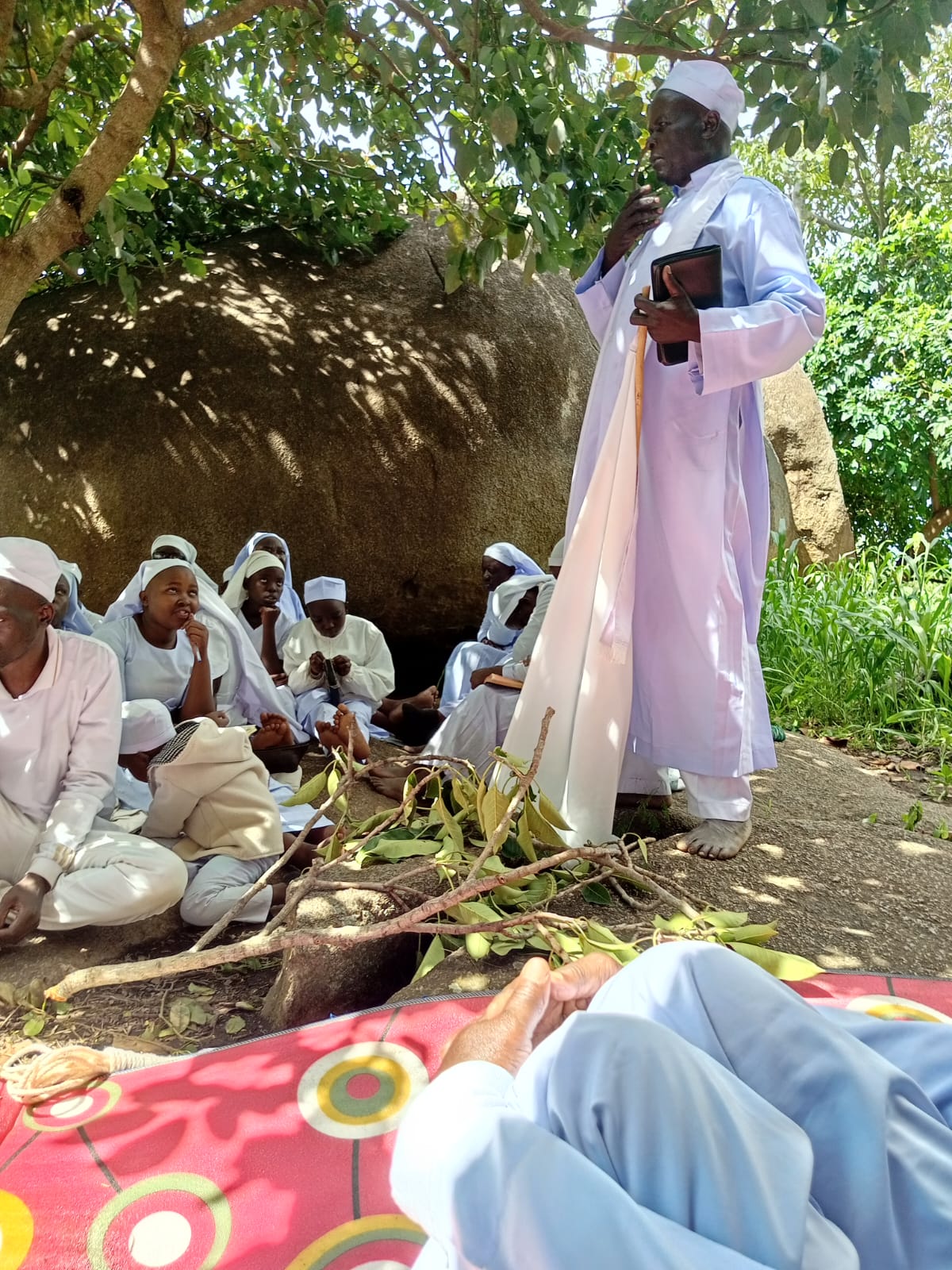
Congregational worship with song and prayer.
Growing in structure and order.
As LLCC expanded, it developed a layered governance system that balanced centralized authority with local participation. At the top stood the Executive Committee, led by the Pastor General and deputies. Below it, the Synod and Supreme Council provided spiritual and administrative oversight.
At regional levels, diocesan and centre committees managed affairs, while local church boards ensured grassroots participation. This structure reflects a hybrid polity — borrowing from synodal traditions while adapting to the realities of African congregational life.
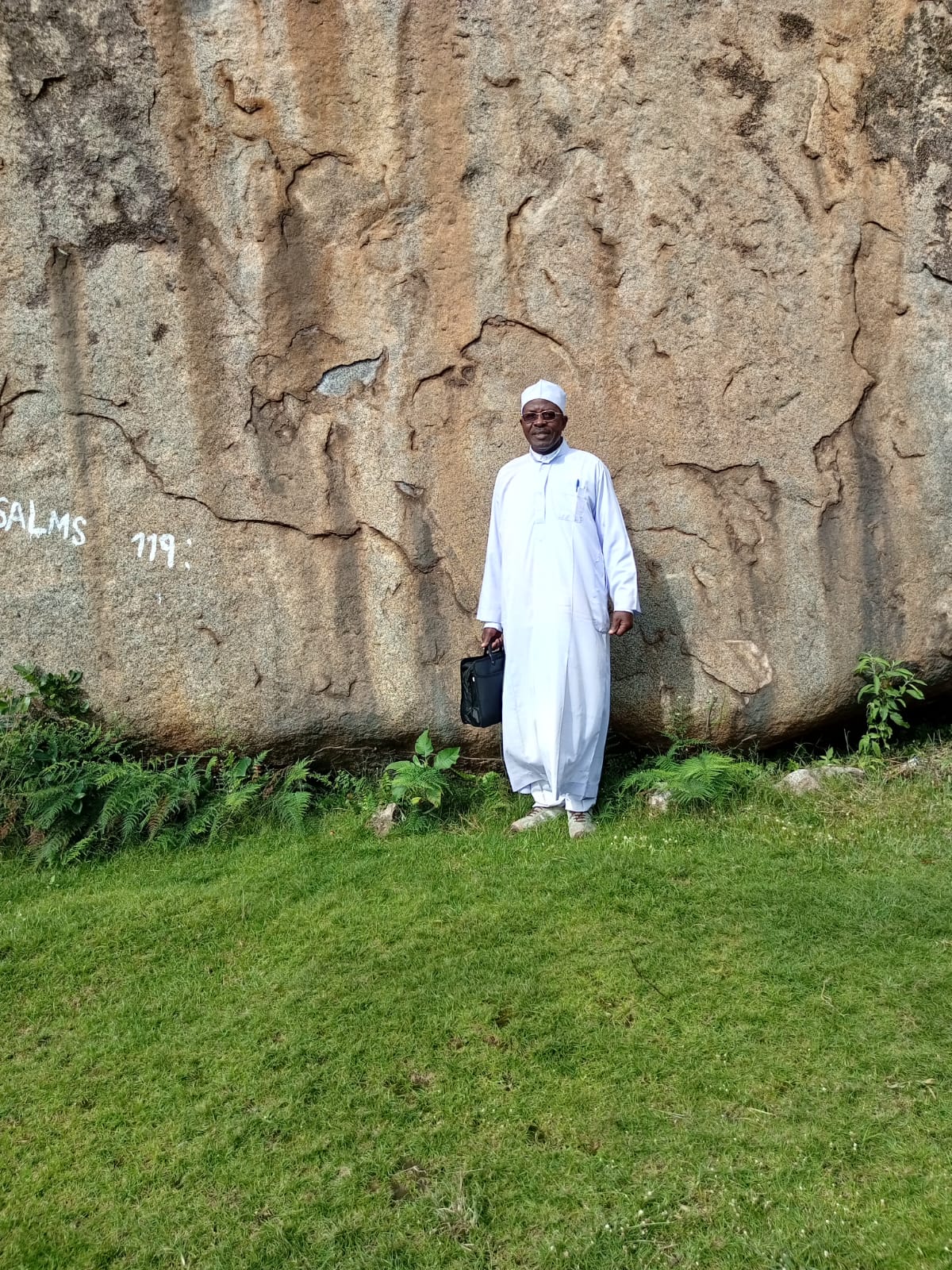
Leadership councils meeting to guide the growing congregation.
A missionary people.
True to its name, LLCC embraced a missionary impulse. It ordained ministers, established branches, and sent evangelists to new communities. Its mission was not only evangelistic but also charitable, serving those in need regardless of background.
In this way, LLCC positioned itself as both guardian of doctrinal purity and agent of social transformation.

Members serving the local community through outreach programs.
A distinctly African expression of faith.
LLCC's history cannot be separated from its cultural context. By integrating local language, dress codes, and communal rituals, it forged a unique identity that resonated deeply with East African believers. It became both a spiritual home and a cultural marker, embodying Christianity in a distinctly African voice.
Celebrating cultural heritage within the life of the church.
A story of continuity and adaptation.
The story of Lord's Last Call Church is one of continuity and adaptation. It draws from the deep wells of Christian tradition while shaping a new expression of faith rooted in East African culture. Its history is not told in dates alone, but in the lived practices, governance structures, and missionary zeal that define its identity.
LLCC stands as a testament to how Christianity in Africa has been both universal in doctrine and particular in cultural expression.
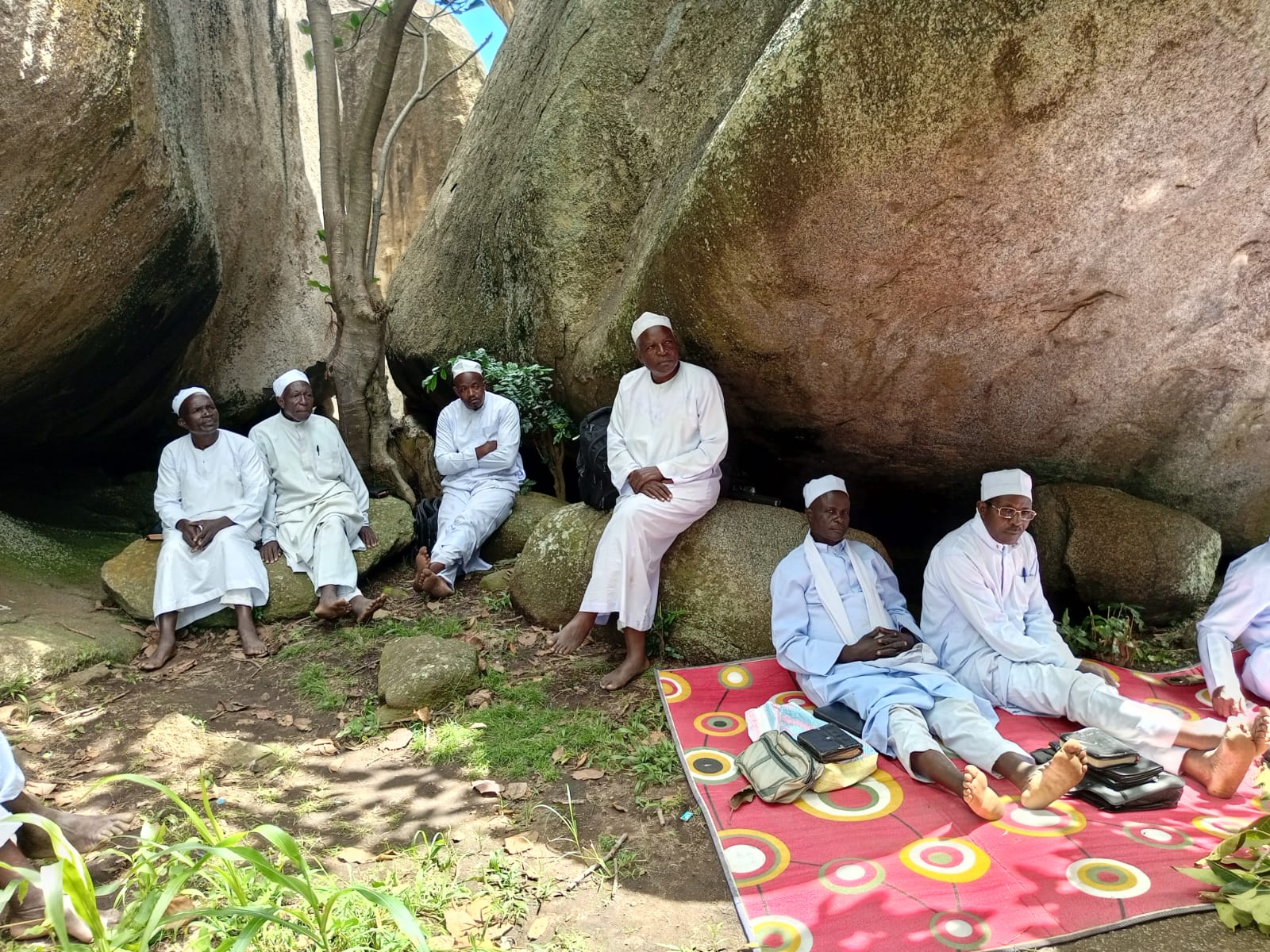
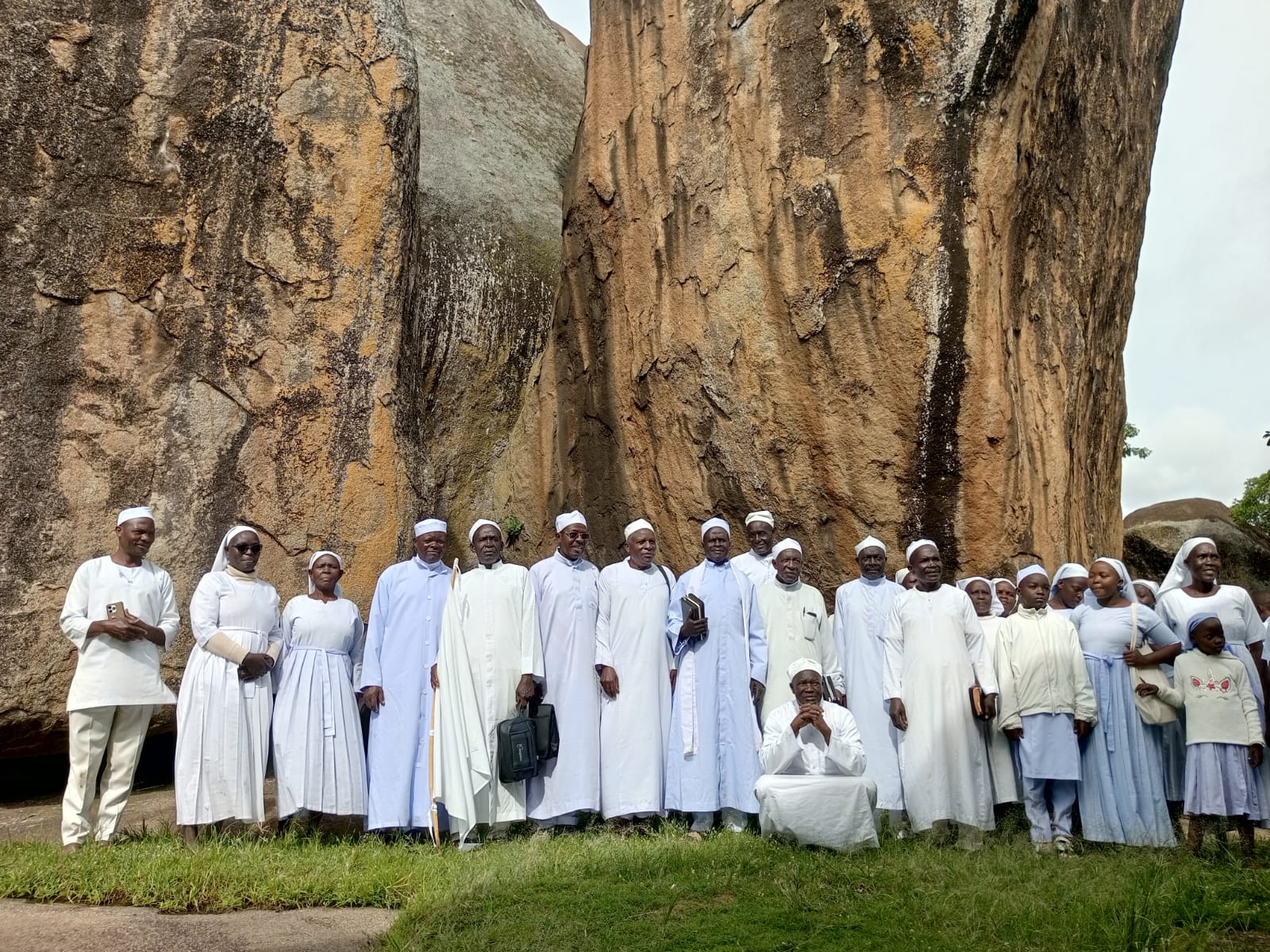
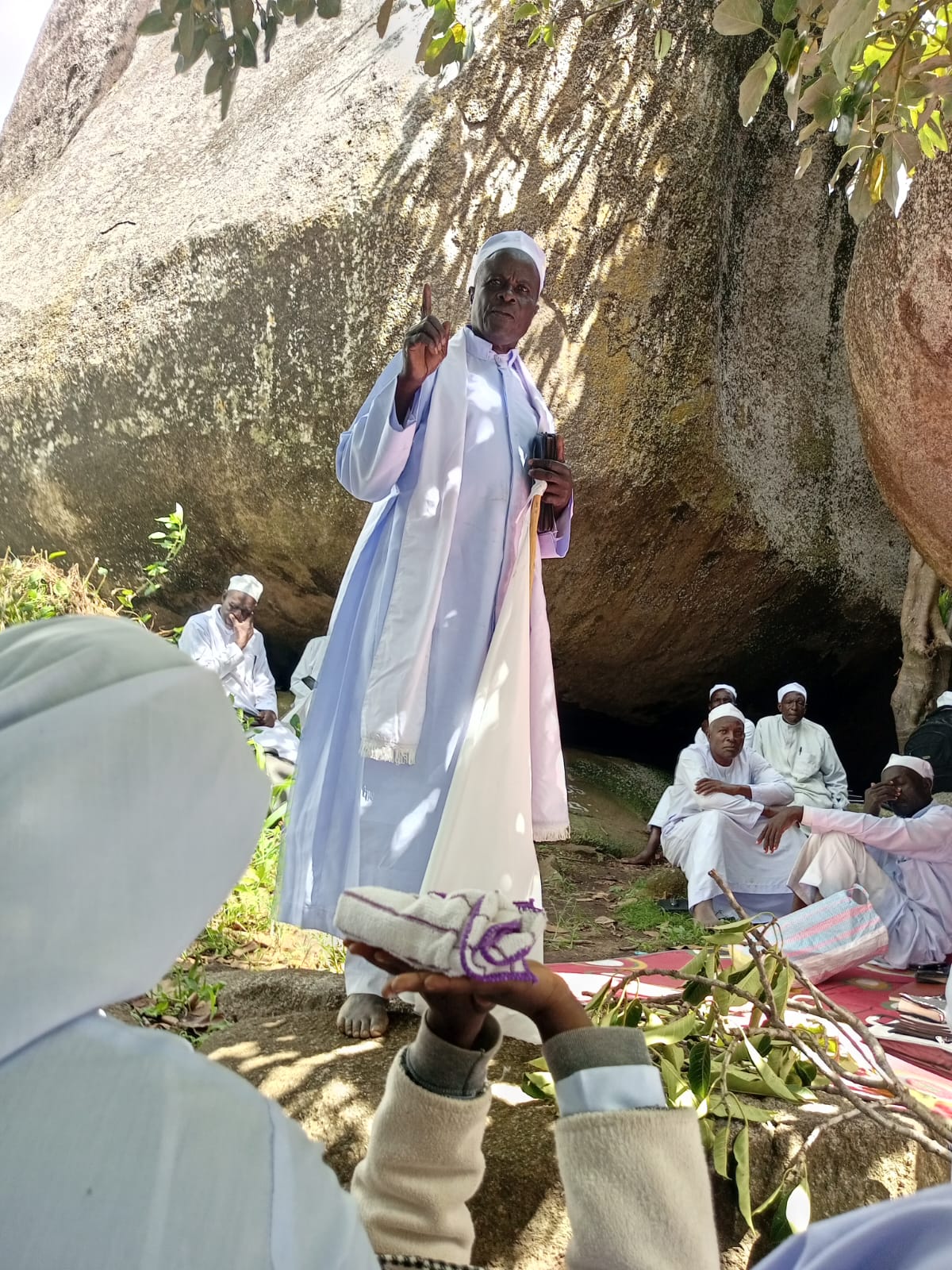
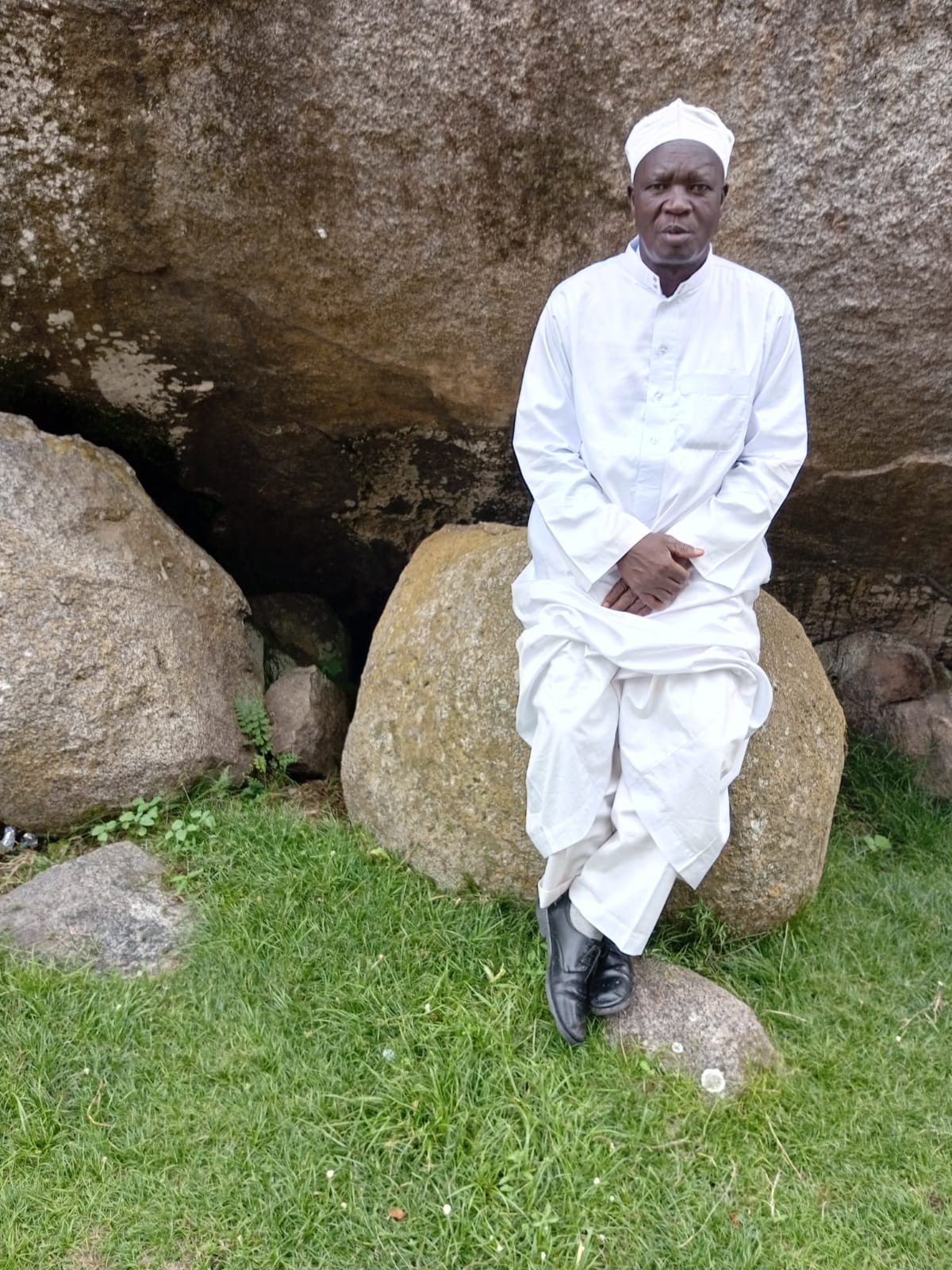
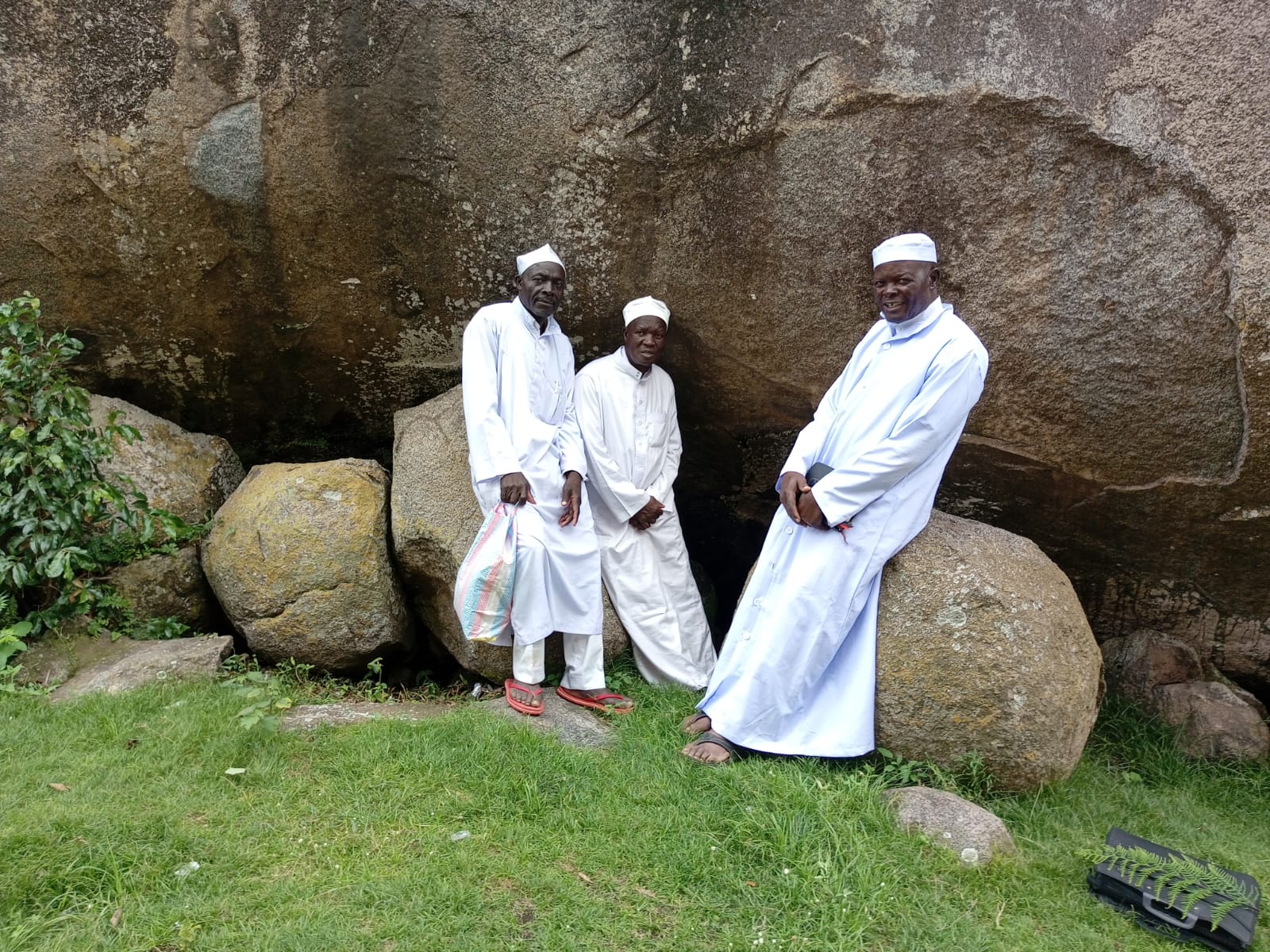
The LLCC family — past, present, and future.
A visual journey through the life and fellowship of the Lord's Last Call Church family.
Be part of the story
Whether you are curious about our faith, interested in visiting, or looking to partner with us in ministry, we would love to hear from you.
Contact Us